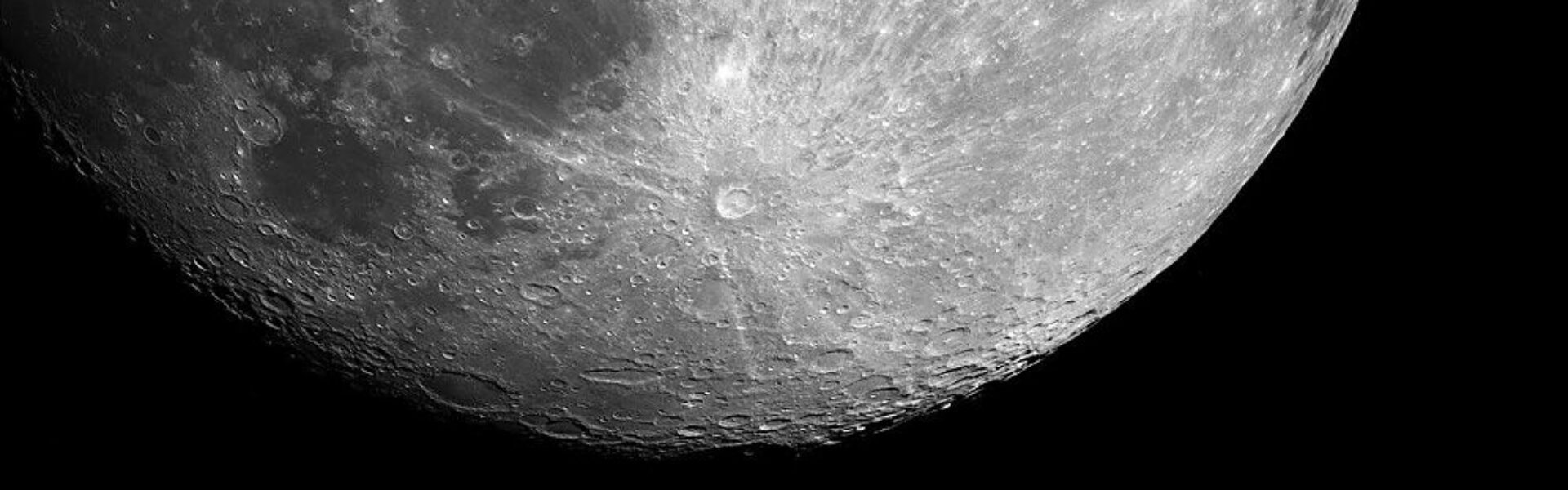
A fundamental premise of “Dust Mites” and its sequel novels is that it makes sense to build lunar cities underground. Not only are underground cities safe from radiation and meteorite bombardments, they are 3-D.
The novels revolve around the colony of Galileo Station, set in the center of Clavius Crater. The underground city has four “decks,” or tiers, similar to a cruise ship. The configuration eliminates problems created by 2-dimensional street/transportation grids on Earth. Far more destinations are easily accessible on foot if you can move in three dimensions by way of stairwells and elevators, especially if you throw in widespread use of people movers. More foot traffic translates into less vehicular traffic, which translates into less congested streets.
How, then, are cities built underground? With technology like that pioneered by The Boring Company. This X article by “X Freeze” describes how two Prufrock tunnel boring machines are mining through Tennessee limestone to create miles of tunnel. (Eat your hearts out, Hamas!)
The scale of the project is phenomenal:
The system will connect downtown Nashville and Music City Center with Nashville International Airport, with the airport-to-downtown journey taking roughly 9 minutes More than 40 stations are already in various stages of planning and design TBC also has authorization for up to 25 miles of tunnel within TDOT right-of-way.
And here’s the best part: “The entire system is privately funded … zero taxpayer dollars for construction or operation.”
How does this investment pay for itself? The Hong Kong subway-system model. Create the underground transportation grid. Build subway stations at periodic intervals. And develop high-density projects around the subway stations.
According to X Freeze, “Elon [Musk]’s vision goes far beyond digging a single tunnel. The goal is to take transportation 3D for cities built in 3D.” Nashville is showing what that looks like.
Transfer this vision and technology to the Moon where the building of cities can start afresh. Indeed, a vignette in “Trogs,” due for publication Sept. 8, fictionalizes how The Boring Company in the year 2075 is building a MagLev line from Galileo Station to a neighboring crater — with private funding.
Forget about building lunar settlements in lava tubes, or in pod complexes on the surface. The Boring Company shows how lunar development will take place.